Protecting the Future of Childhood Immunization
By Dr. Joshua Joshbriliem (PhD)
As we reflect on the progress made in global childhood immunization, a stark reality comes into focus: over 14 million children have never received a single vaccine. This alarming statistic, revealed in recent data from the World Health Organization (WHO) and UNICEF, underscores the urgent need for collective action to safeguard the health and well-being of our most vulnerable populations.
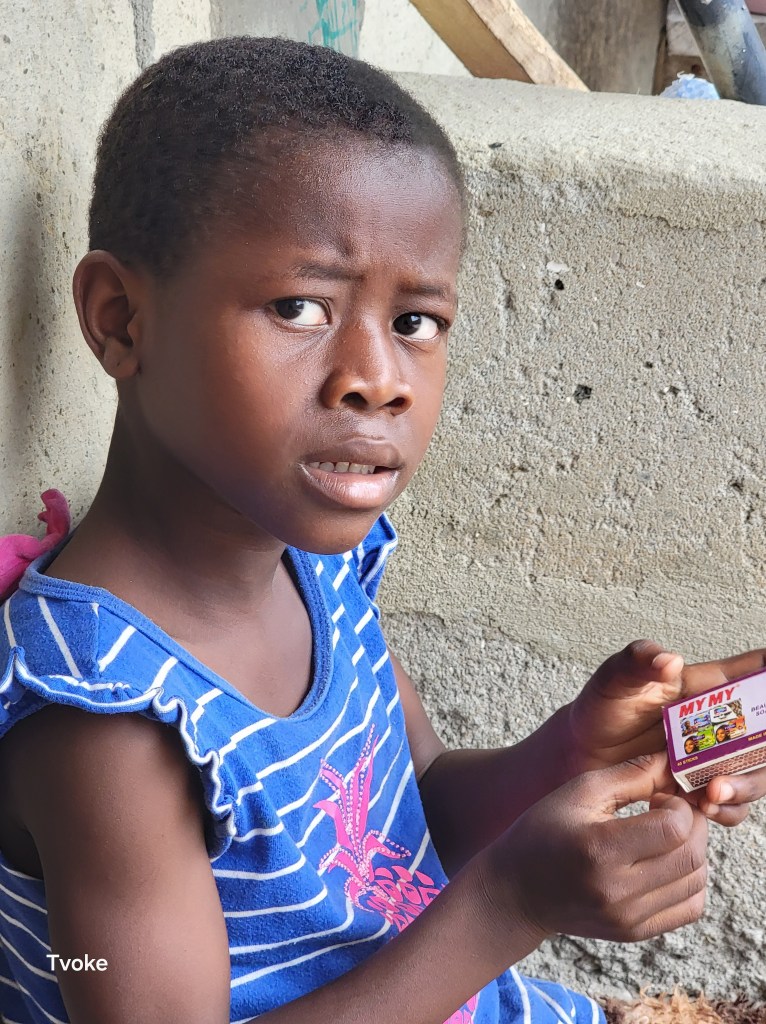
Despite steady global childhood immunization levels, the number of children who have never received a vaccine is a glaring reminder of the disparities and inequities that persist in our world. These children, often born into marginalized communities or living in areas with limited access to healthcare, are left behind in the quest for universal immunization coverage.
The consequences of this oversight are dire. Unimmunized children are at increased risk of contracting preventable diseases, which can lead to serious illness, disability, and even death. The ripple effects of this vulnerability can be felt throughout communities, undermining decades of progress in public health and threatening the very foundations of our global health architecture.
A Moral Imperative
The fact that over 14 million children have never received a single vaccine is not just a statistical anomaly; it is a moral imperative that demands our attention and action. Every child, regardless of their geographical location, socio-economic status, or background, deserves the protection afforded by vaccines.
The recent data from WHO and UNICEF reveals a concerning trend: despite steady global childhood immunization coverage, approximately 14.3 million infants remain unvaccinated. This highlights significant gaps in access and equity, particularly in fragile settings affected by conflict or humanitarian crises.
Key Statistics: 89% of infants globally received at least one dose of the diphtheria, tetanus, and pertussis (DTP) vaccine in 2024.
85% of infants completed the full three-dose DTP series, which is around 109 million children.
14.3 million infants received no vaccines at all, with half of them living in 26 countries affected by conflict or humanitarian crises.
20 million infants missed at least one DTP dose, indicating a risk of vaccine-preventable diseases.
Challenges and Concerns
Stagnation or decline: 47 countries showed stagnation or decline in vaccination coverage, including 22 that previously met the 90% threshold.
Funding and conflicts: Drastic changes in funding, growing global conflicts, and rising vaccine misinformation threaten to further stall or reverse progress.
HPV vaccine coverage: Only 31% of eligible adolescent girls globally received at least one dose of the HPV vaccine, far from the 90% coverage target by 2030.¹
To address these challenges, it’s essential to strengthen healthcare systems, increase awareness and education, and support vaccination programs, particularly in areas with limited access to healthcare. By working together, we can protect decades of progress and ensure every child has a healthy start in life.
As we strive to ensure that every child has a healthy start in life, we must confront the systemic barriers that prevent some children from accessing life-saving vaccines. This requires a multifaceted approach that addresses the root causes of inequity, including poverty, lack of access to healthcare, and social determinants of health.
A Call to Action
To protect decades of progress and ensure that every child has a healthy start in life, we must act now. The Child Right And Development Implementation Foundation Inc. (CHRADIF) is committed to supporting efforts that prioritize the health and well-being of children worldwide.
We urge governments, healthcare providers, civil society organizations, and individuals to join forces in addressing this critical issue. Together, we can:
1. Strengthen healthcare systems: Invest in healthcare infrastructure, personnel, and logistics to ensure that vaccines are accessible to all children, particularly in marginalized communities.
2. Increase awareness and education: Promote awareness about the importance of immunization and address misconceptions that may hinder vaccine uptake.
3. Support vaccination programs: Provide funding and resources to support vaccination programs, particularly in areas with limited access to healthcare.
4. Monitor progress and hold ourselves accountable: Track progress, identify gaps, and hold ourselves accountable for ensuring that every child has access to life-saving vaccines.
The future of childhood immunization hangs in the balance. As we move forward, we must prioritize the most vulnerable populations and work tirelessly to ensure that every child has a healthy start in life. The time for action is now. Let us join forces to protect the future of childhood immunization and create a world where every child can thrive.
About the Author
Dr. Joshua Joshbriliem (PhD) is a passionate advocate for child rights and development.
As a writer and activist, he is committed to raising awareness about critical issues affecting children worldwide.
About CHRADIF
The Child Right And Development Implementation Foundation Inc. (CHRADIF) is a non-profit organization dedicated to promoting the rights and well-being of children worldwide. CHRADIF works to support efforts that prioritize the health, education, and protection of children, particularly in marginalized communities.


 Child Right And Development Implementation Foundation Inc